
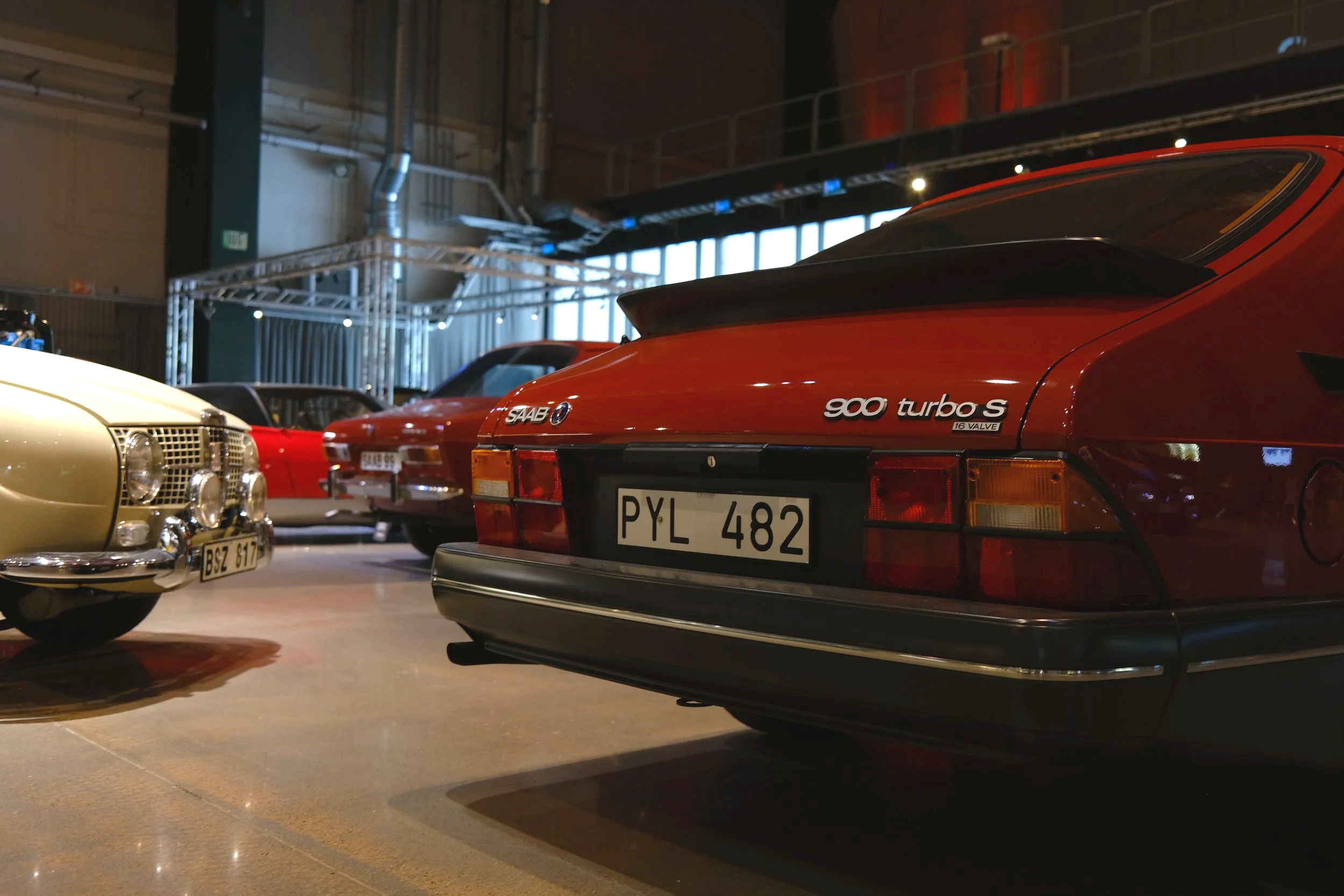
MOURNING A NICHE ICON
A SOB STORY FROM THE SAAB MUSEUM
The death of Saab was a dark moment in automotive history. Not just because, over six-odd decades of building cars, the company came up with a genuinely impressive number of clever ideas. Stop anyone on the street and ask who helped pioneer headlight wipers, heated seats and cabin air filtration and they’ll obviously answer, without hesitation, Saab Automobile AB.
No? Fine.
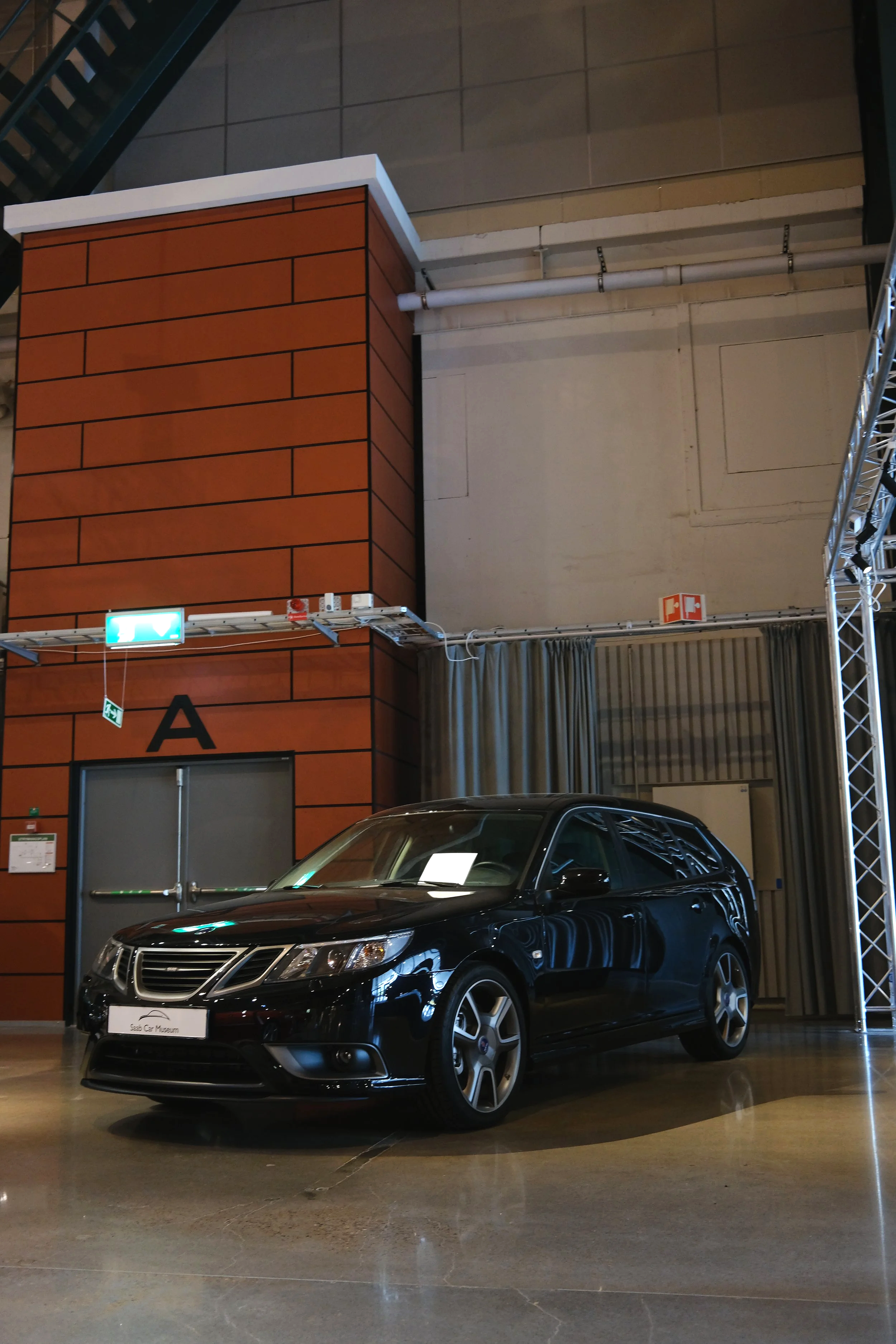
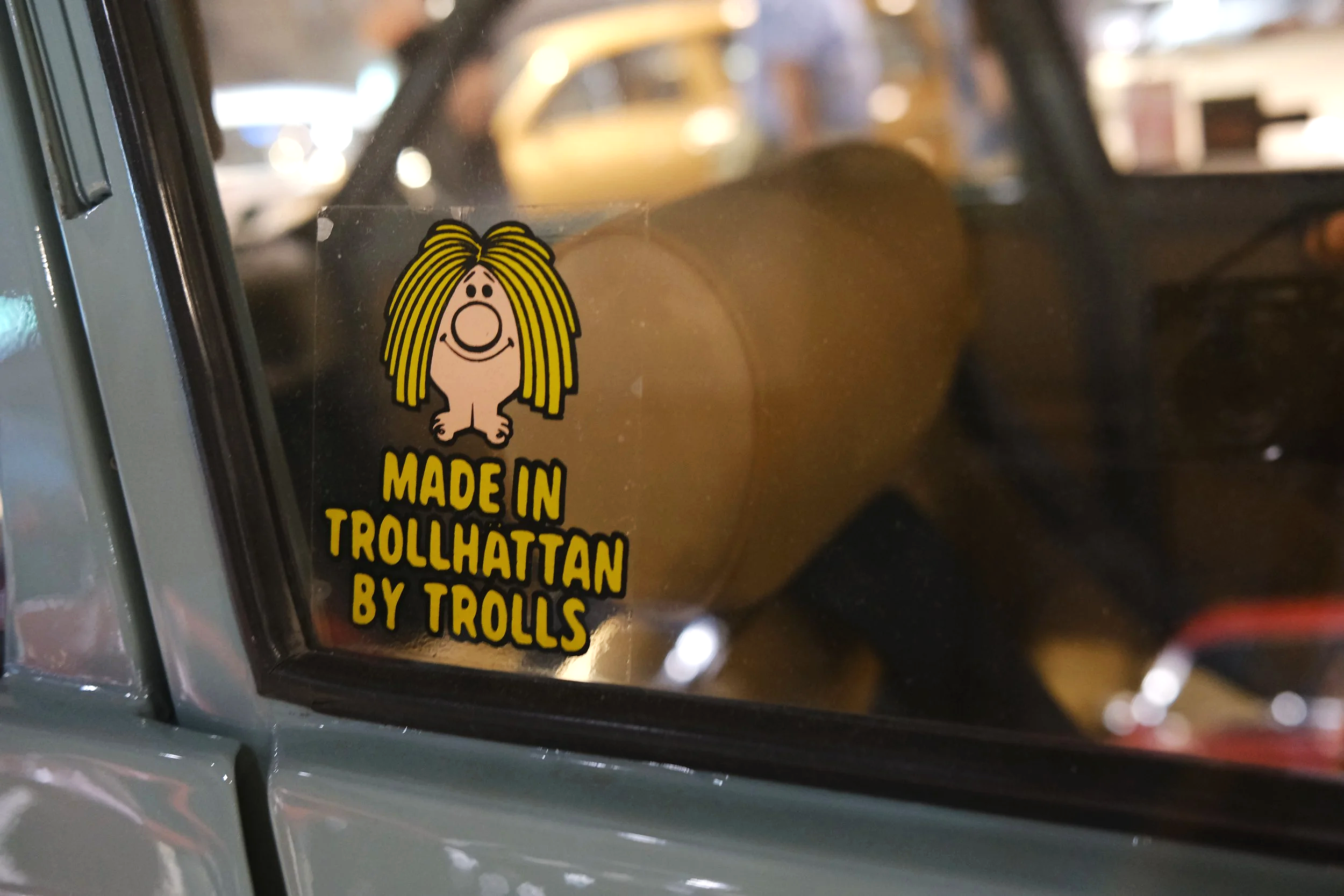
The real tragedy, aside from the NG 9-5 SportCombi never making it onto the road, was that when Saab died, the Saab enthusiast officially became an endangered species. Like the northern white rhino, one day there may simply be no more Saabs left. Thankfully, unlike the northern white rhino, Saab owners have opposable thumbs, internet forums and the ability to curate a collection of vehicles that displays the highs and lows of Saab. And that’s exactly what they’ve done in in Trollhättan, Sweden.
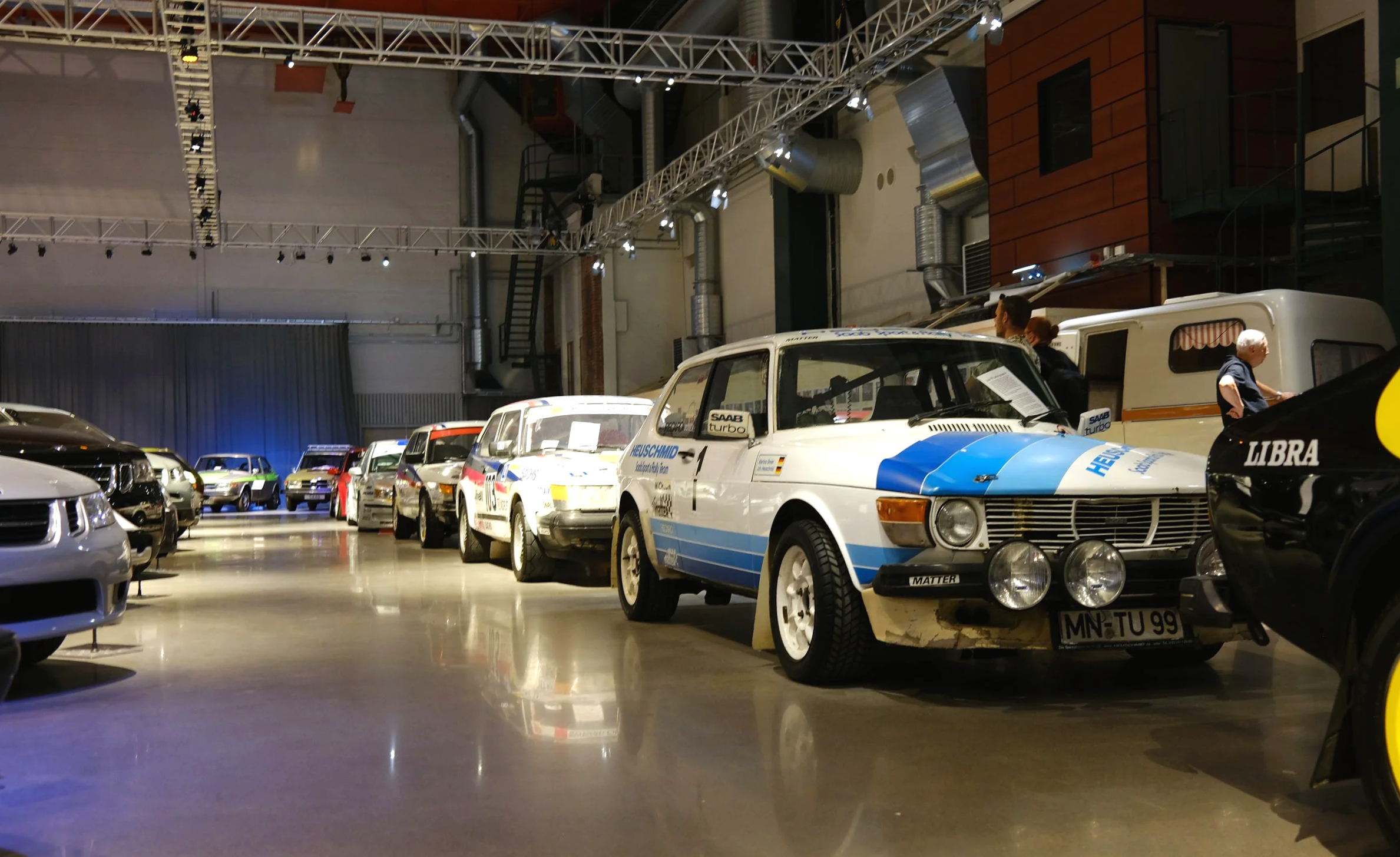
Since Saab is a dead car brand, a visit here is very much an “if you know, you know” affair. Most people willing to make the pilgrimage to Trollhättan probably already know the story. But for everyone else, here’s the abridged version.
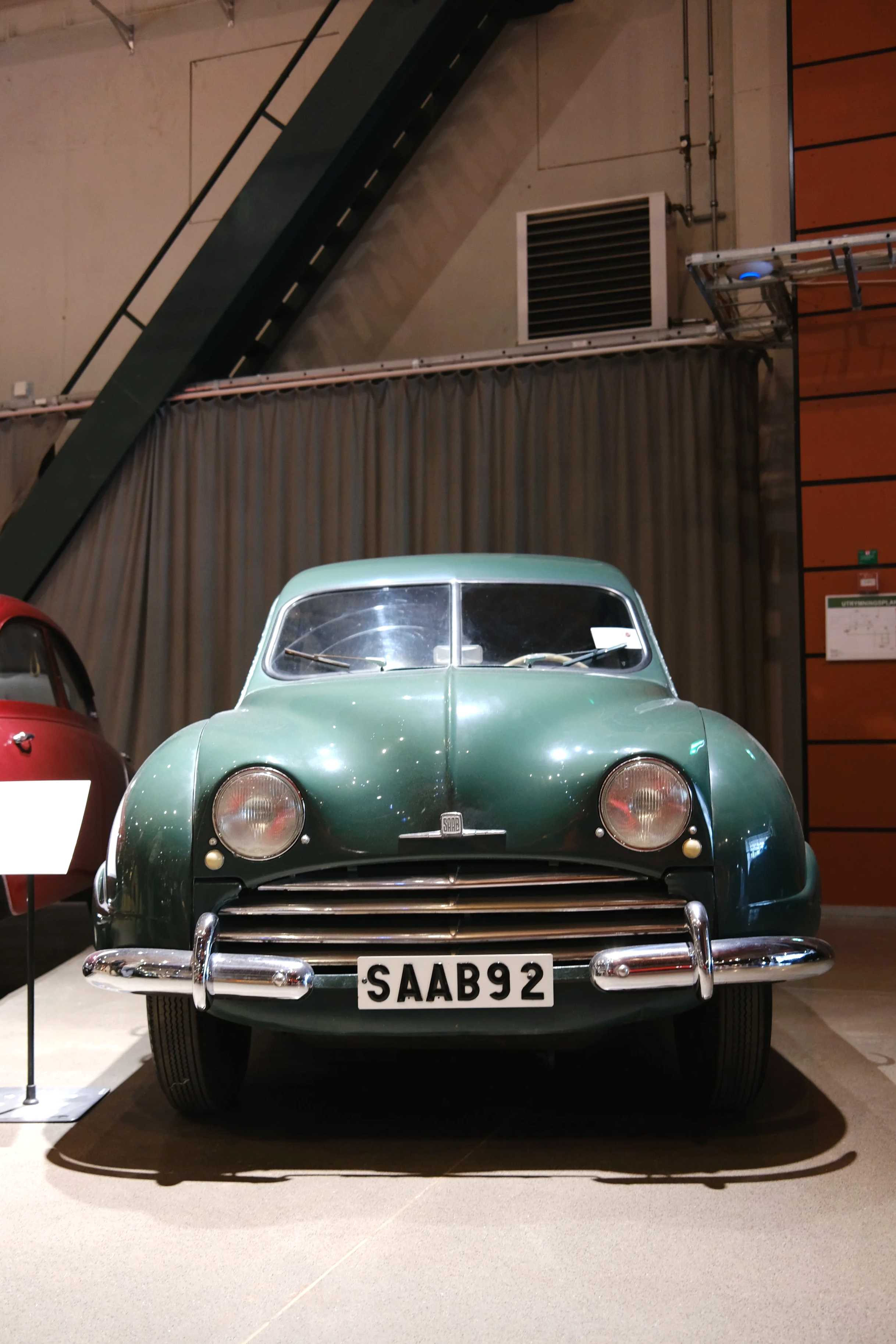
After Hitler’s worldwide shit-fit, Svenska Aeroplan Aktiebolaget (Saab) pivoted from making aeroplanes to its first prototype car in 1945, known as the Project 92. Yes, the ad campaign didn’t lie, Saab was literally born from jets.
The formula evolved through the 93, 95 and 96 before the 99 arrived in 1967 and established the Saab look we know today: wraparound glass, upright cabins and that unmistakable hockey-stick profile.
The 900 followed in 1978 and became the icon. Especially the Turbo. Long hood, huge glasshouse, boost and an ignition key between the seats. Saab cultists looked upon it and saw that it was good.
By 1989, building strange Swedish cars in small numbers had become expensive. GM bought half of Saab Automobile, then the rest in 2000. More models followed, along with increasing parts sharing and a few questionable cases of badge engineering.
After the 2008 financial crisis, GM tried to sell Saab. Koenigsegg had a go. Spyker actually bought it in 2010. Neither ending stuck, and Saab Automobile filed for bankruptcy in 2011.
NEVS bought much of what remained in 2012, briefly restarted 9-3 production and tried to pivot toward EVs. The revival fizzled, the Saab name disappeared from the cars and the company slowly became something else entirely.
There. Now you know.
Walking around the Saab museum is a strange experience. Part automotive history, part archaeological dig into a very specific kind of person.The cars tell one story: Saab from start to finish, from prototypes and rally cars to the failures, the successes and everything in between. The people intensely examining them tell another.
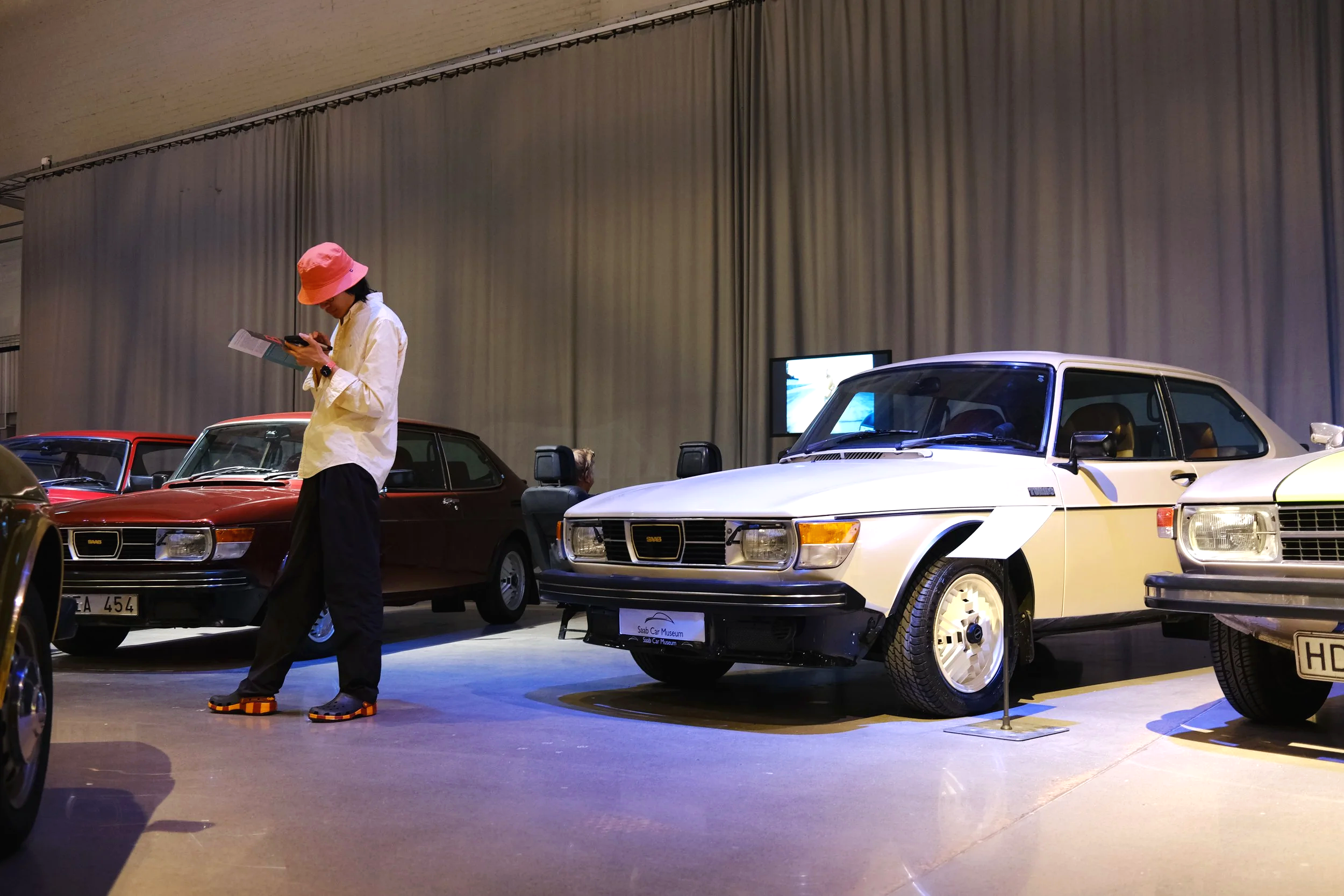
During Saab’s heyday, its natural habitat seemed to be the driveway of an architect, designer, professor or anyone else likely to have a strong opinion about the tactile quality of a light switch. These were people who lived in the nooks and crannies of good design. They wanted something sensible, well made and just esoteric enough to require explaining at dinner parties.
A Mercedes said you were successful. A Porsche said you had taste and would like everyone to know about it. A Saab said you had considered both and deliberately bought something else.
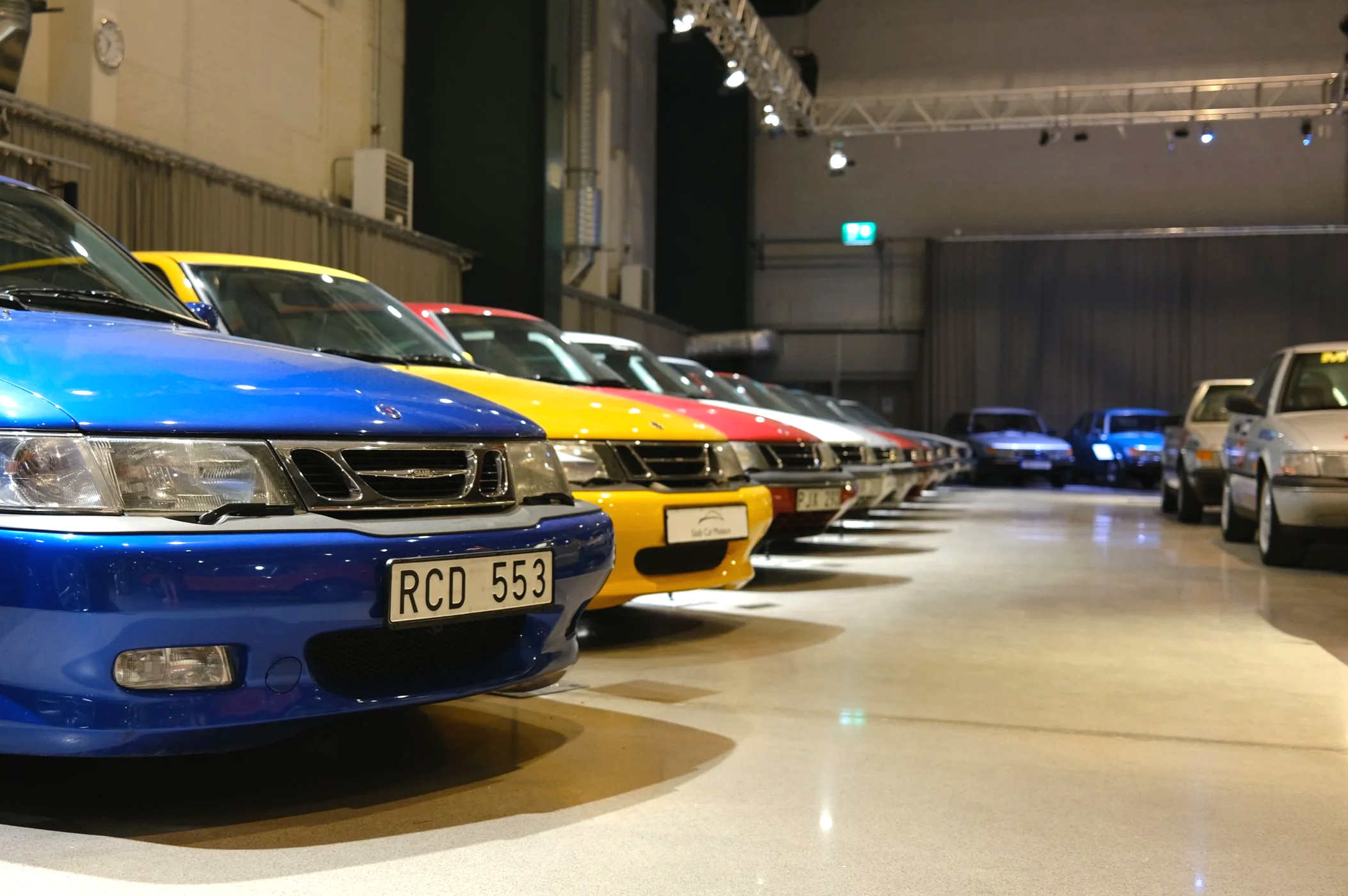
That was part of the appeal. Saabs were generally less expensive than the obvious luxury choices, but still felt thoughtful and substantial. They were practical without being boring, unconventional without being ridiculous. You got turbochargers, lots of room to carry things, and Swedish ergonomic all wrapped in a shape your neighbor probably wasn’t driving. It wasn’t just a car. It was a quiet signal that your taste operated on a slightly different frequency.
Today, that original Saab buyer has mostly moved on. The brand itself belongs to the before-times now, and the people keeping it alive are a different breed. The real ones.Like any dead car brand, Saab now survives through forums, Facebook groups, boxes of spare parts in garages and people meeting in fields to admire one someone else’s elderly Swedish machinery. But something about the Saab crowd still feels different. The status is gone. Nobody is buying a 25-year-old 9-5 because it’s the fashionable alternative to a BMW anymore. What’s left is the weirdness itself. And maybe that’s more interesting.
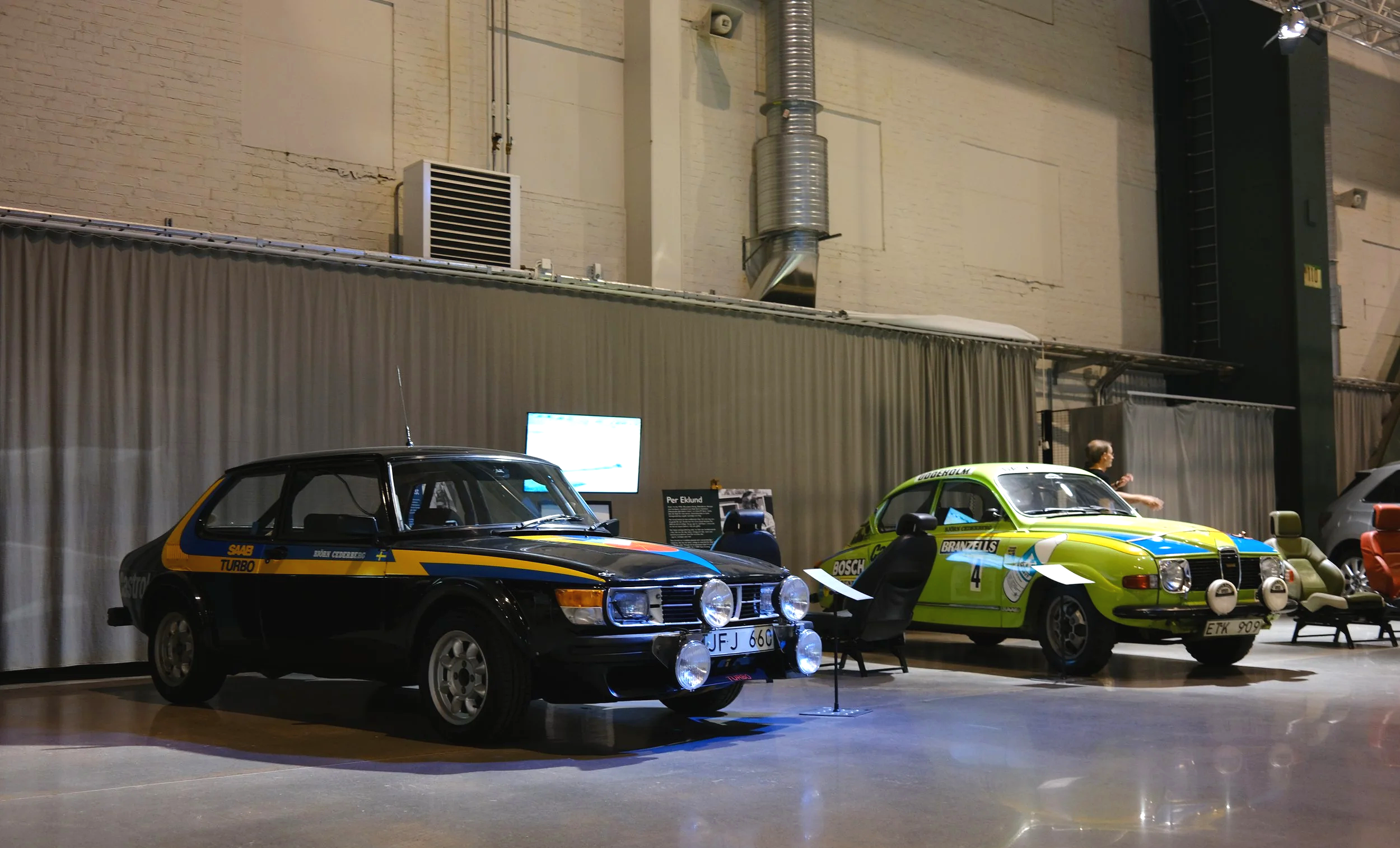
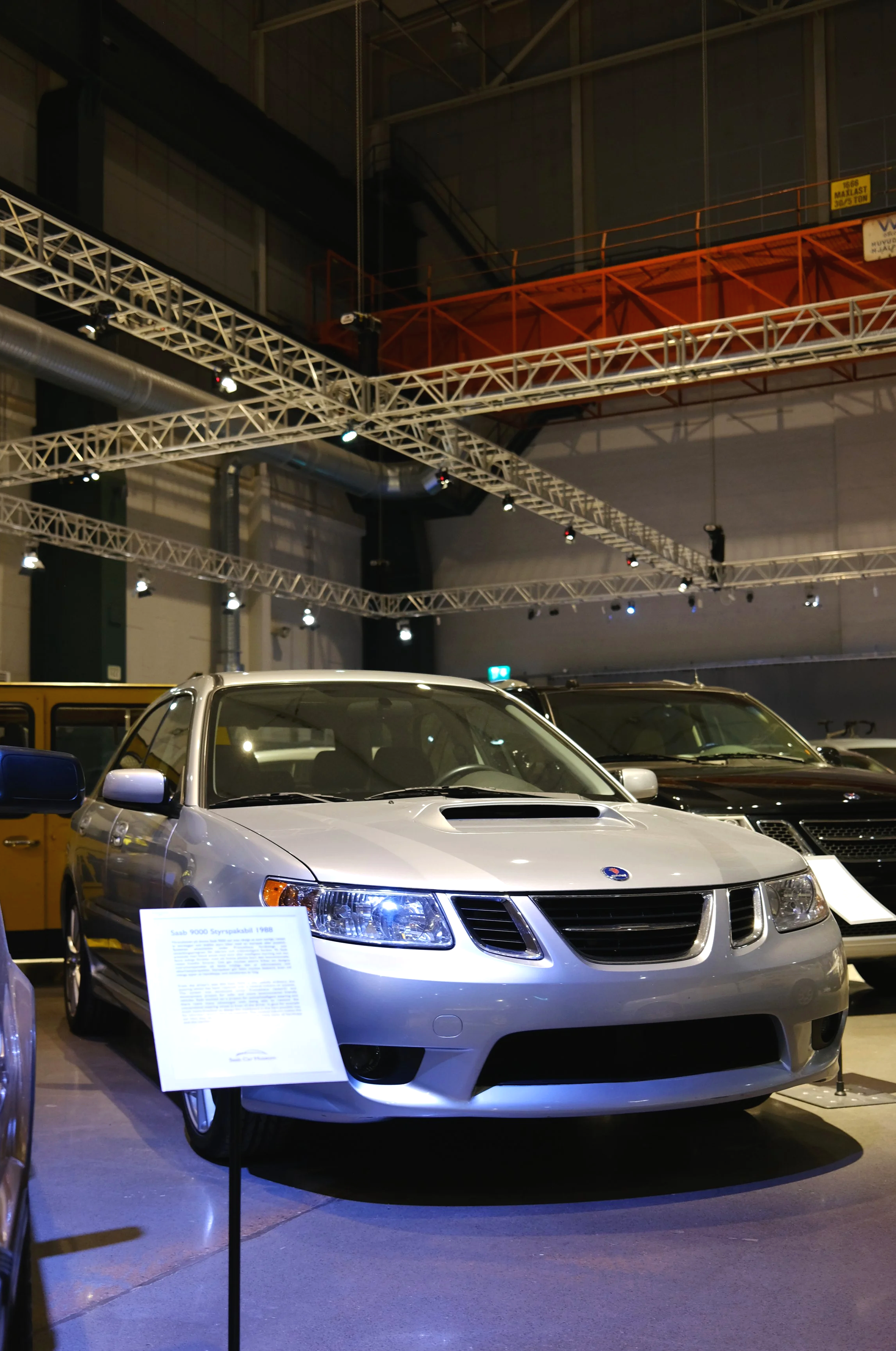
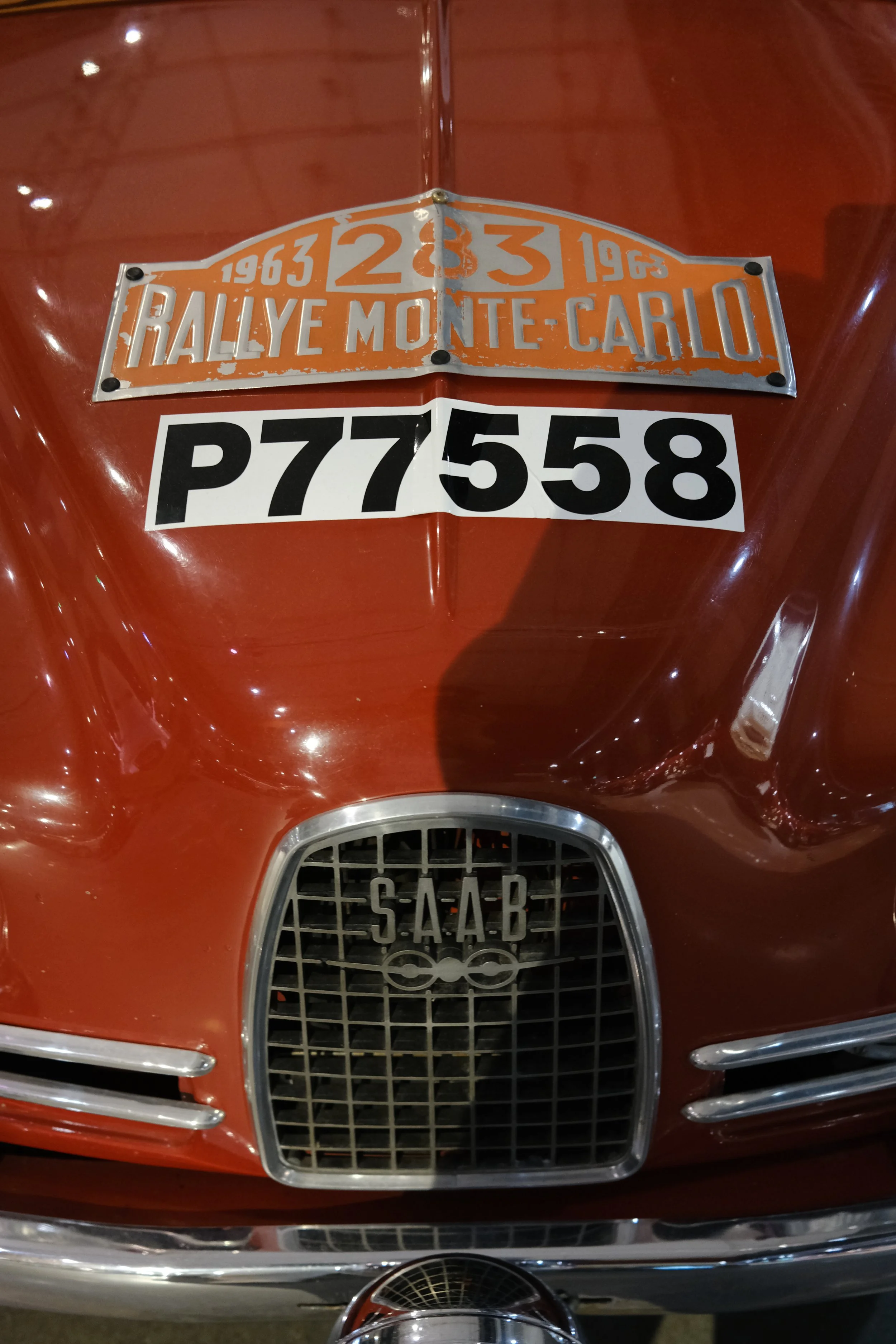
The person keeping an old Saab alive today is still making the oddball choice. They just happen to be someone capable of replacing their own direct injection cassette while also maintaining a firm opinion about which can opener offers the smoothest action.
Same spirit. Different driver.
WHAT TO KNOW BEFORE YOU GO
Where: Nohabgatan 35, 461 53 Trollhättan, Sweden
Price: 160 SEK
Where to stay: There isn’t much else to do in Trollhättan (appologies Trollhättanians), so we’d recommend staying in Gothenburg.
How to get there: Take the train from Gothenburg, then snag a 5-10 minute cab ride to the museum.
Inside scoop: The parking lot is almost as intersting as the museum. Spare a few minutes to walk around and you’ll find some all sorts of automotive obscurity.