THE WORLD OF VOLVO
BEYOND BRICKED-UP WAGONS
What’s the first thing you think of when you think of Volvo? We’re kids of the ’90s, so for us, it’s two things: safe cars and square-bodied family wagons. The first comes from decades of Volvo making safety practically synonymous with its name. The second comes from a shape so simple and so perfectly car-shaped that, no matter how hard you try, you can’t really imagine a more car-looking car.
For most people, that’s probably where their knowledge of Volvo ends. And fair enough. This isn’t a marque that spends much time shouting about itself. It’s not Ford or Ferrari, constantly reminding you about a race it won 60 years ago or a legendary car penned by some saintly designer blessed by divine inspiration.
Then again, maybe that’s why you don’t see many Volvo 240 posters on kids’ bedroom walls. The World of Volvo makes a convincing case that there’s much more to the story.
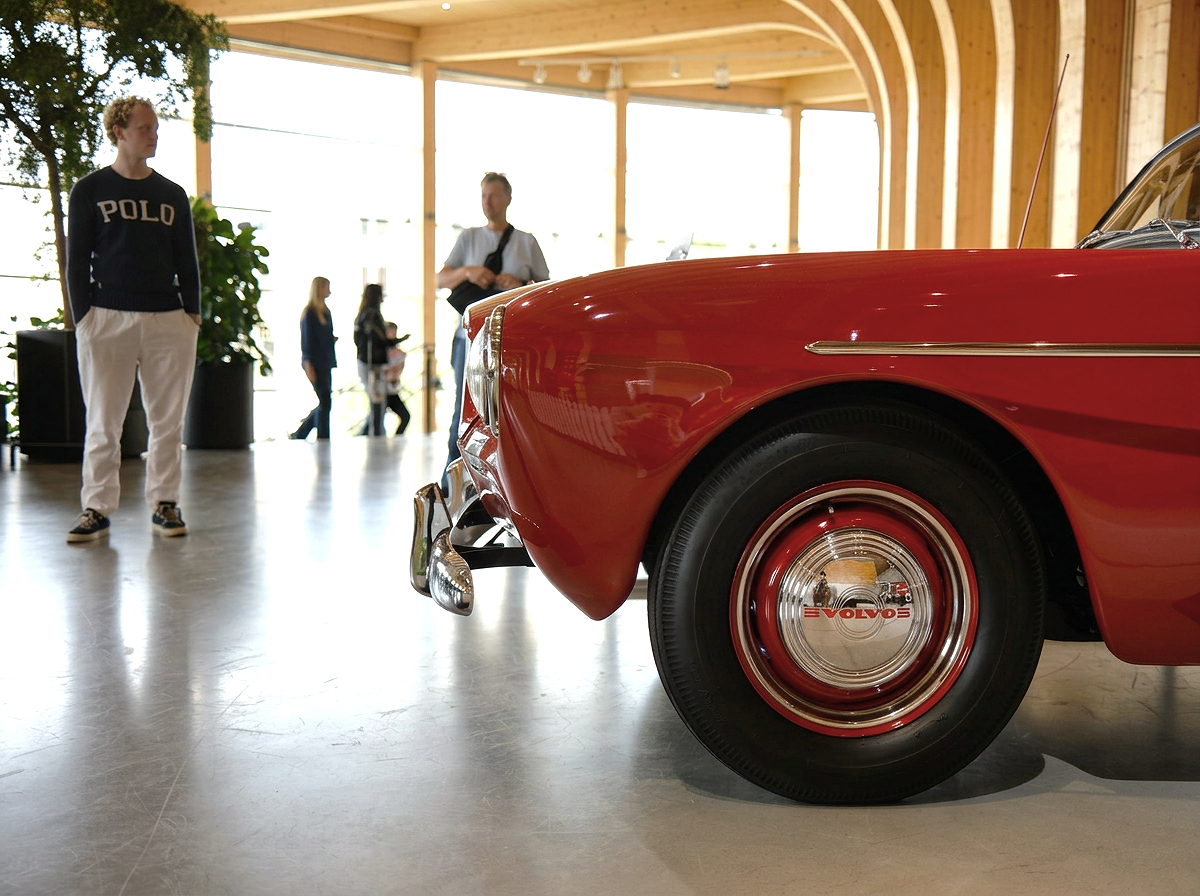
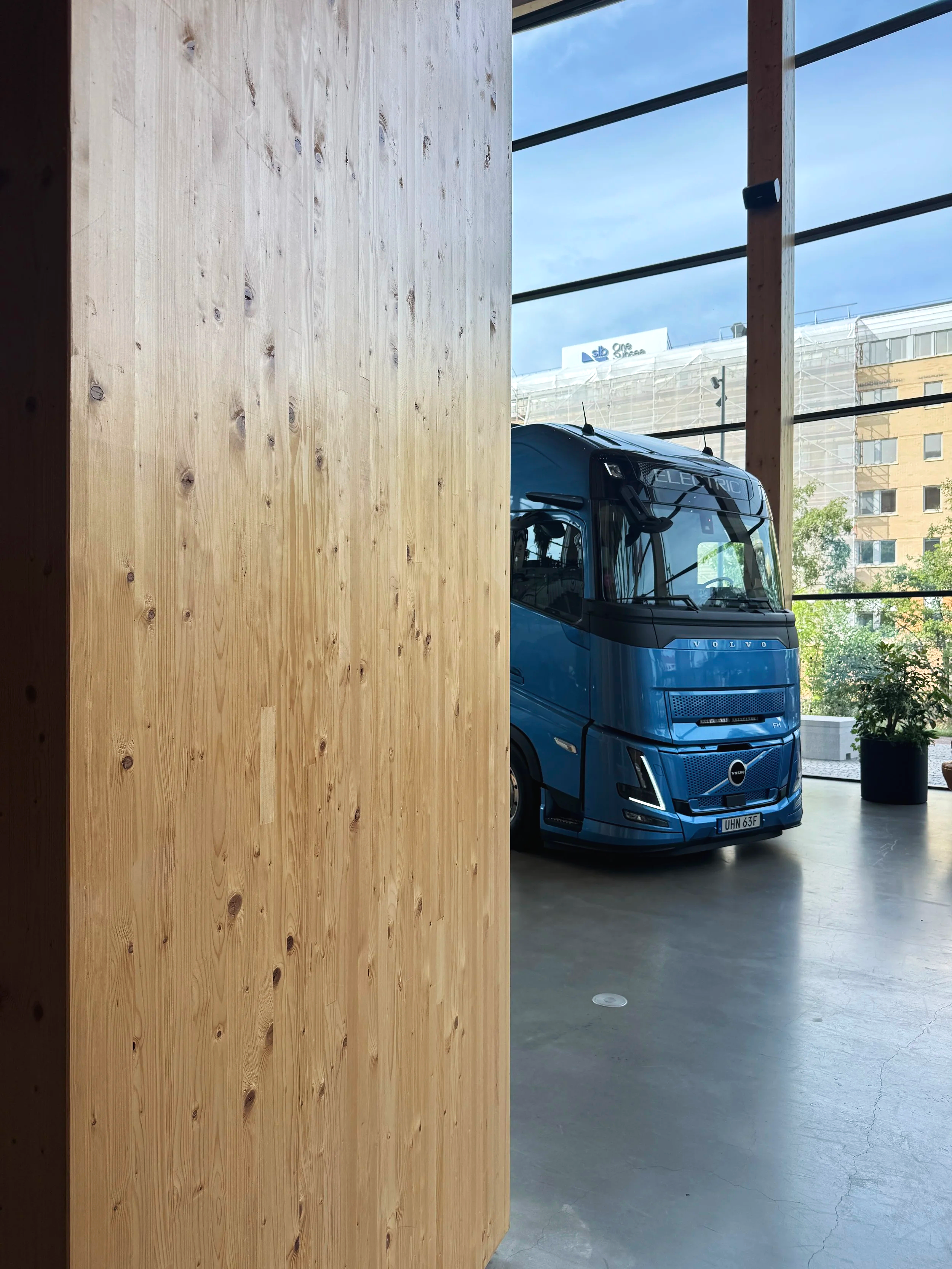
The building itself feels designed to bridge Volvo’s past with wherever it’s headed next. Warm timber framing wraps around metal, glass and polished concrete, while the cars scattered throughout the space make that transition a little more literal. A first-generation C70 convertible here. A new electric semi-truck there. Different eras, same Swedish lack of fuss.
WHAT TO KNOW BEFORE YOU GO
Where: Lyckholms Torg 1, 412 63 Göteborg, Sweden
Price: 220 SEK
Food: There’s a swanky cafe/restaurant in the museum.
Where to stay: Anywhere in within the Gothenburg city limits. Public transport makes it easy to get there.
Inside scoop: The gift shop is worth a visit. Great totes to blend in with the well-dressed locals.
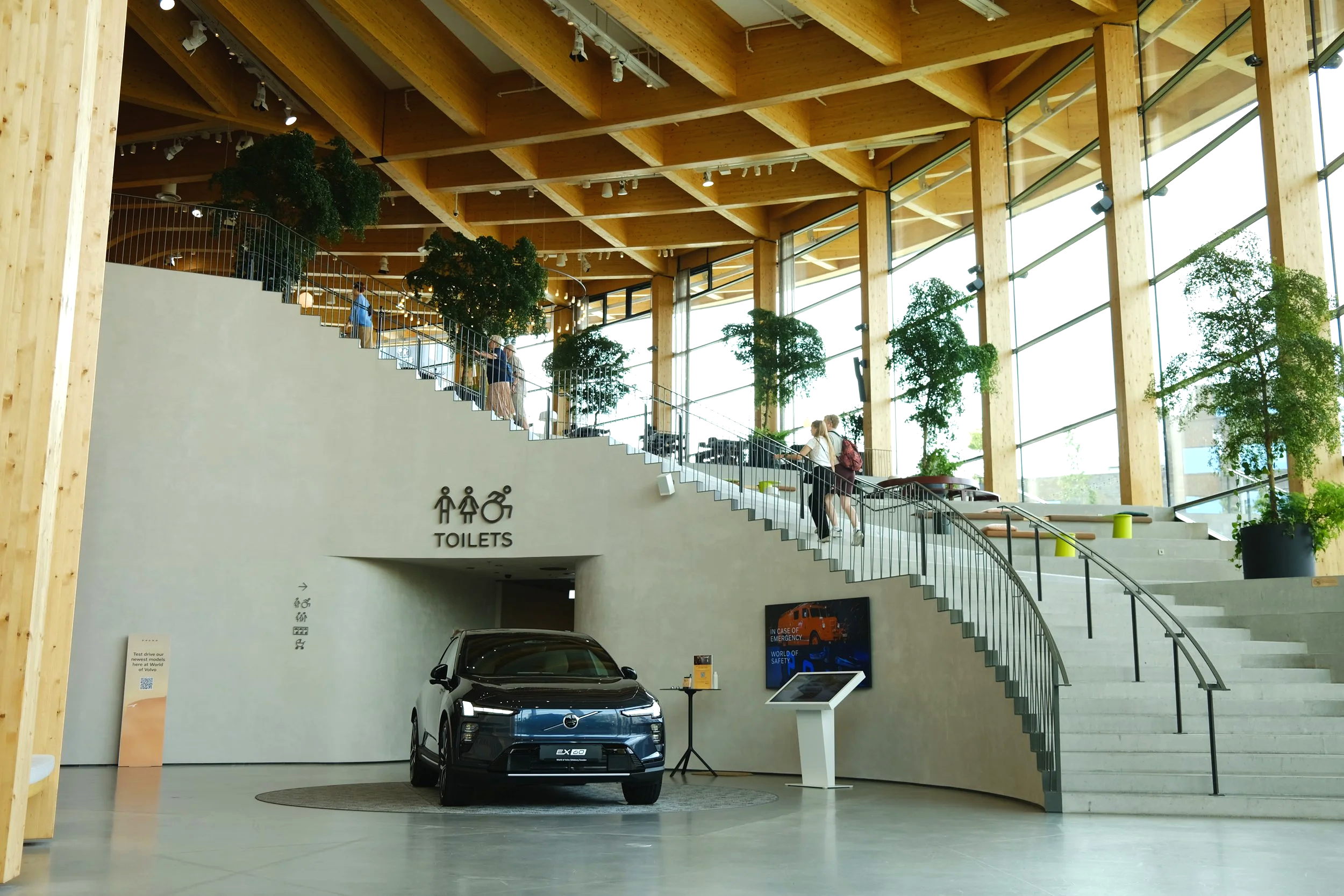
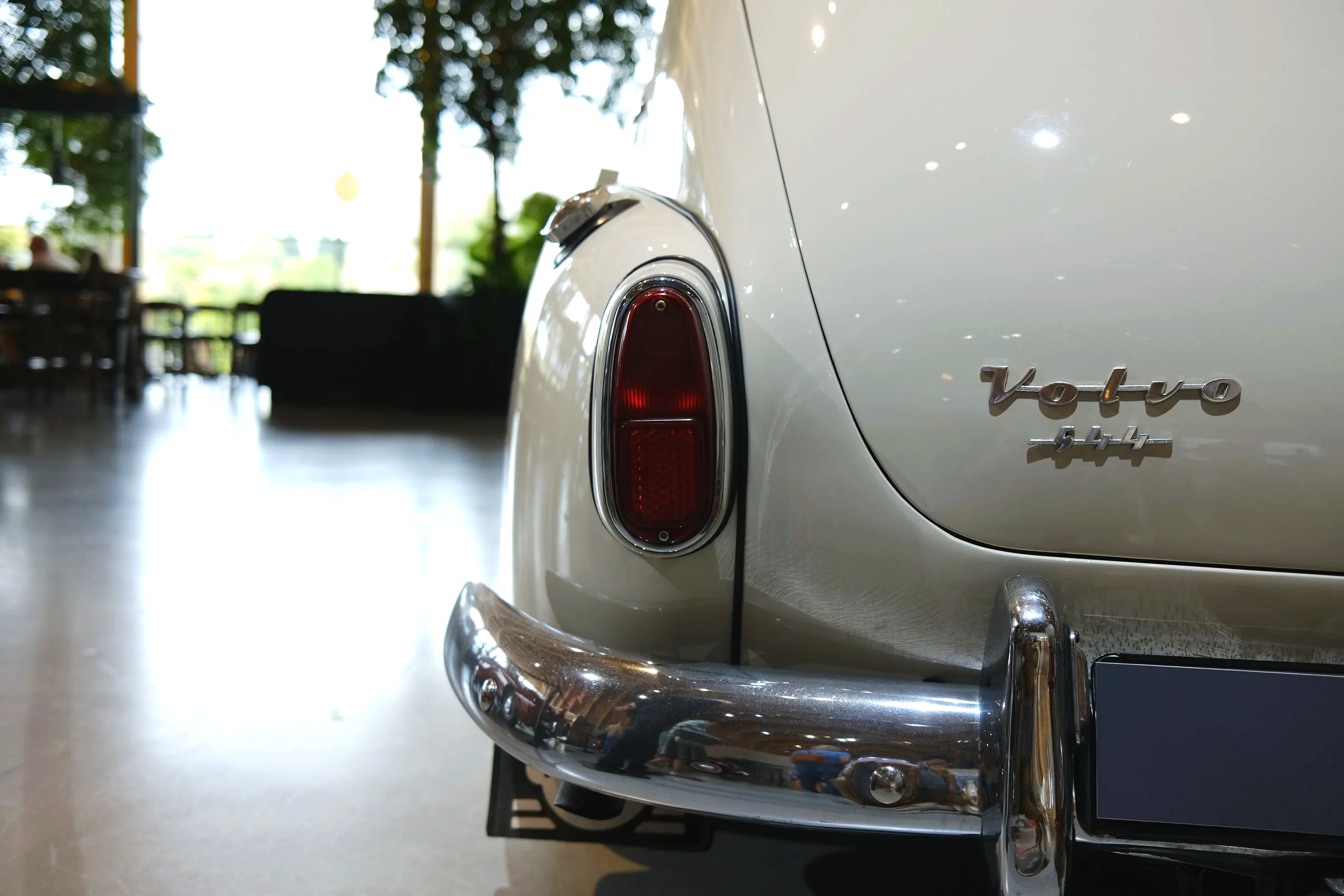
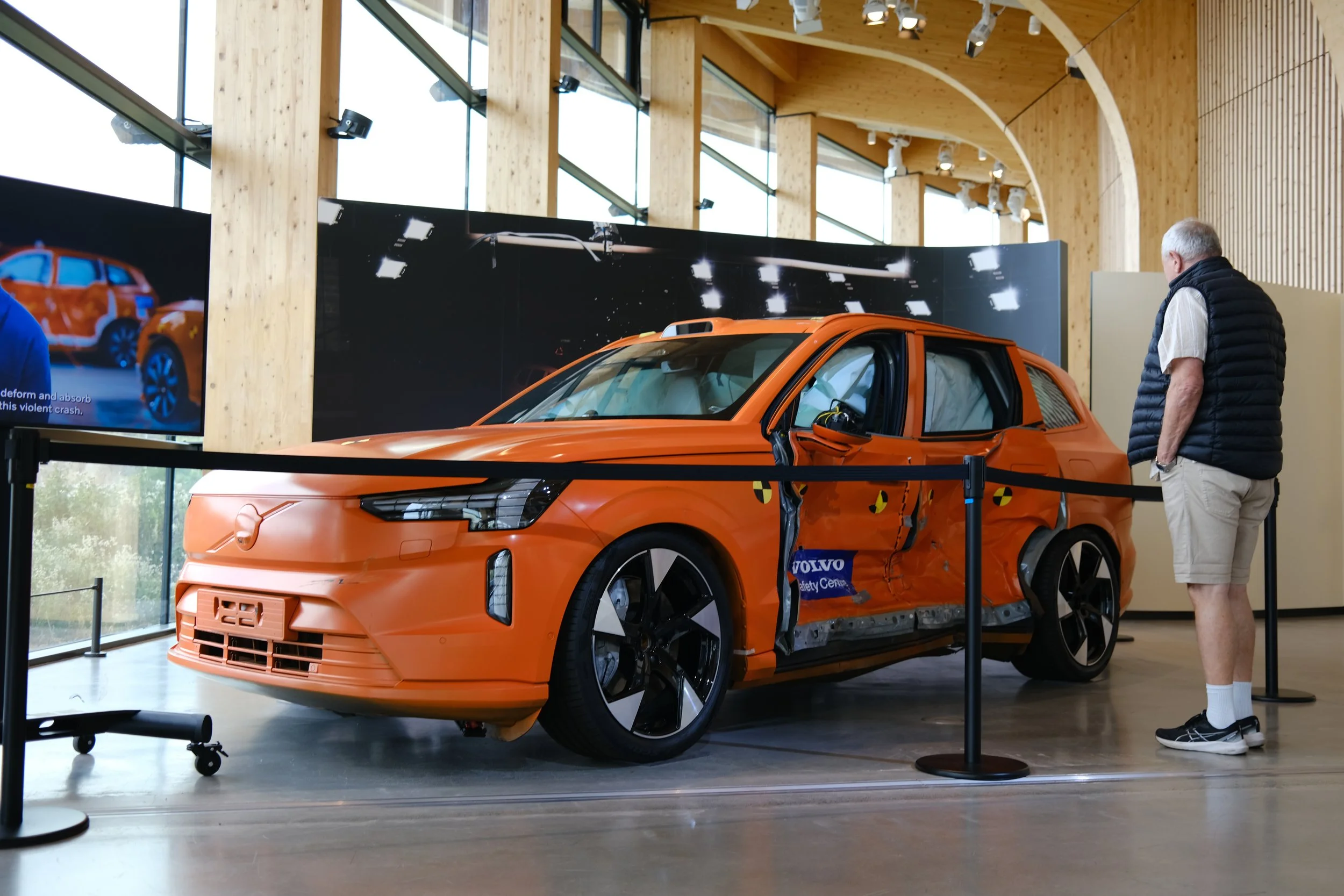
Climb the stadium seating overlooking the open-air lobby and make your way into the main exhibit. Now, back to the first answer to our opening question. Say it together, everybody: SAFETY!
This is where Volvo earns has earned its reputation. The immersive exhibits dig into the engineering, thinking and stories behind the company’s obsession with safety and innovation, turning what could easily feel like corporate mythology into something genuinely interesting.
And this is where things get especially Swedish.Visit enough manufacturer museums, Ferrari, Mercedes-Benz, BMW, Porsche and the like, and you get accustomed to a little chest-thumping. Great leaders forged new paths. Brilliant engineers changed everything. The world was never the same again.
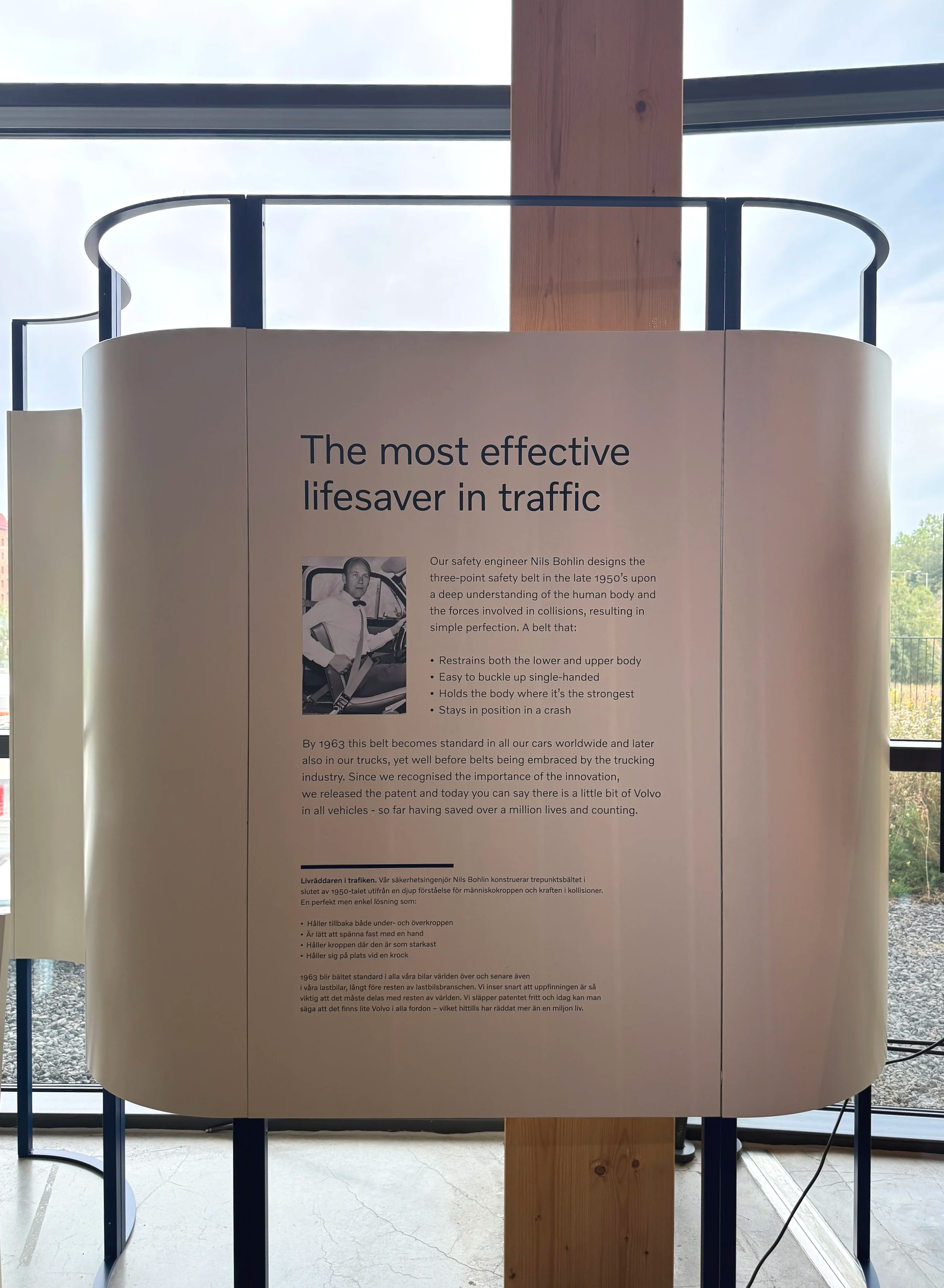
Meanwhile, here you have THE PEOPLE WHO INVENTED THE THREE-POINT SEAT BELT! Arguably one of the most significant automotive safety inventions ever, and Volvo gives it a placard and carries on. No dramatic lighting. No choir of angels. No 40-foot statue of an engineer staring heroically toward the horizon. Just, yes. We did that. God bless the Swedes and their Scandinavian restraint.
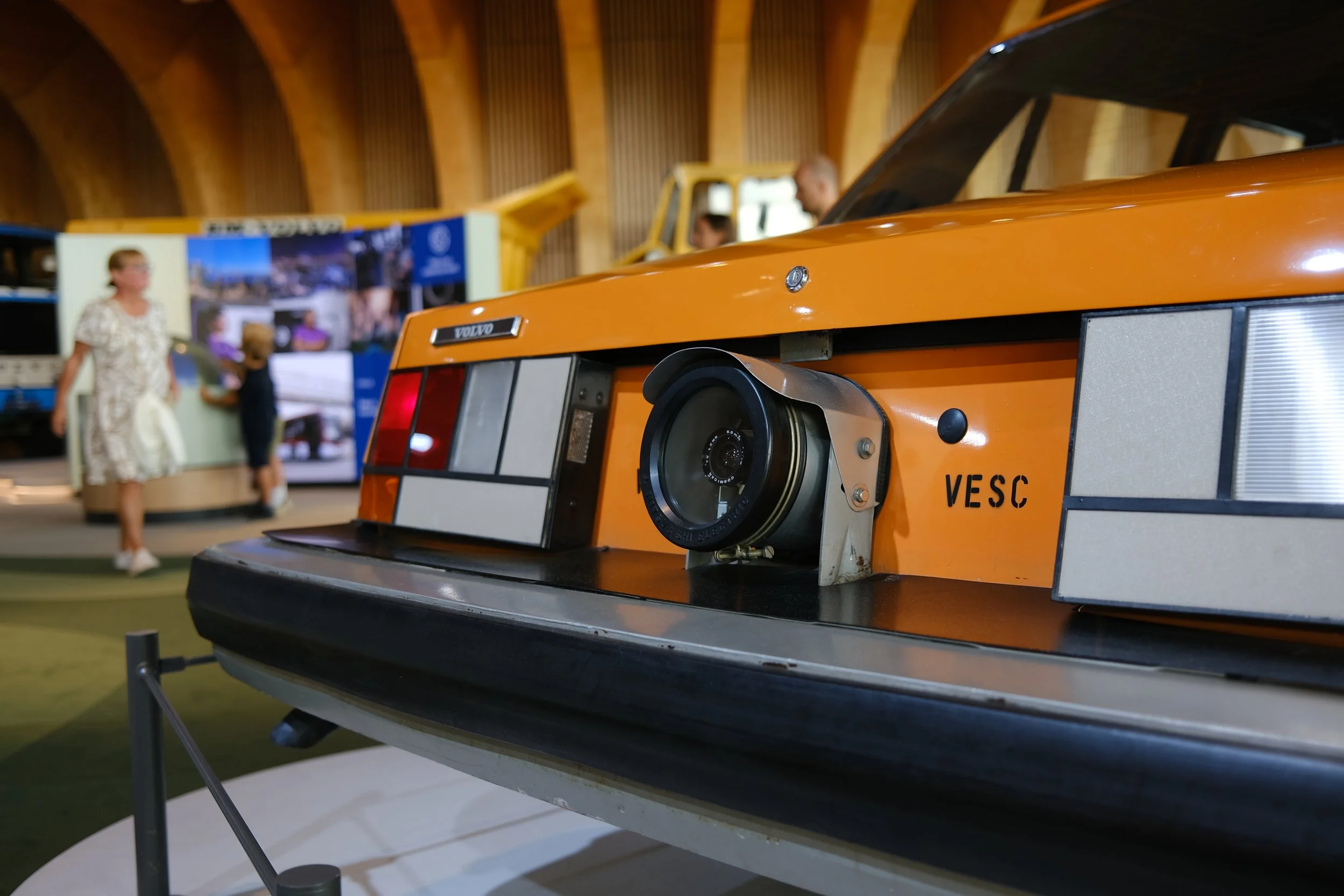
Beyond the immersive and interactive bits, you eventually get to the heavy metal: Volvo’s collection of historic and iconic vehicles.
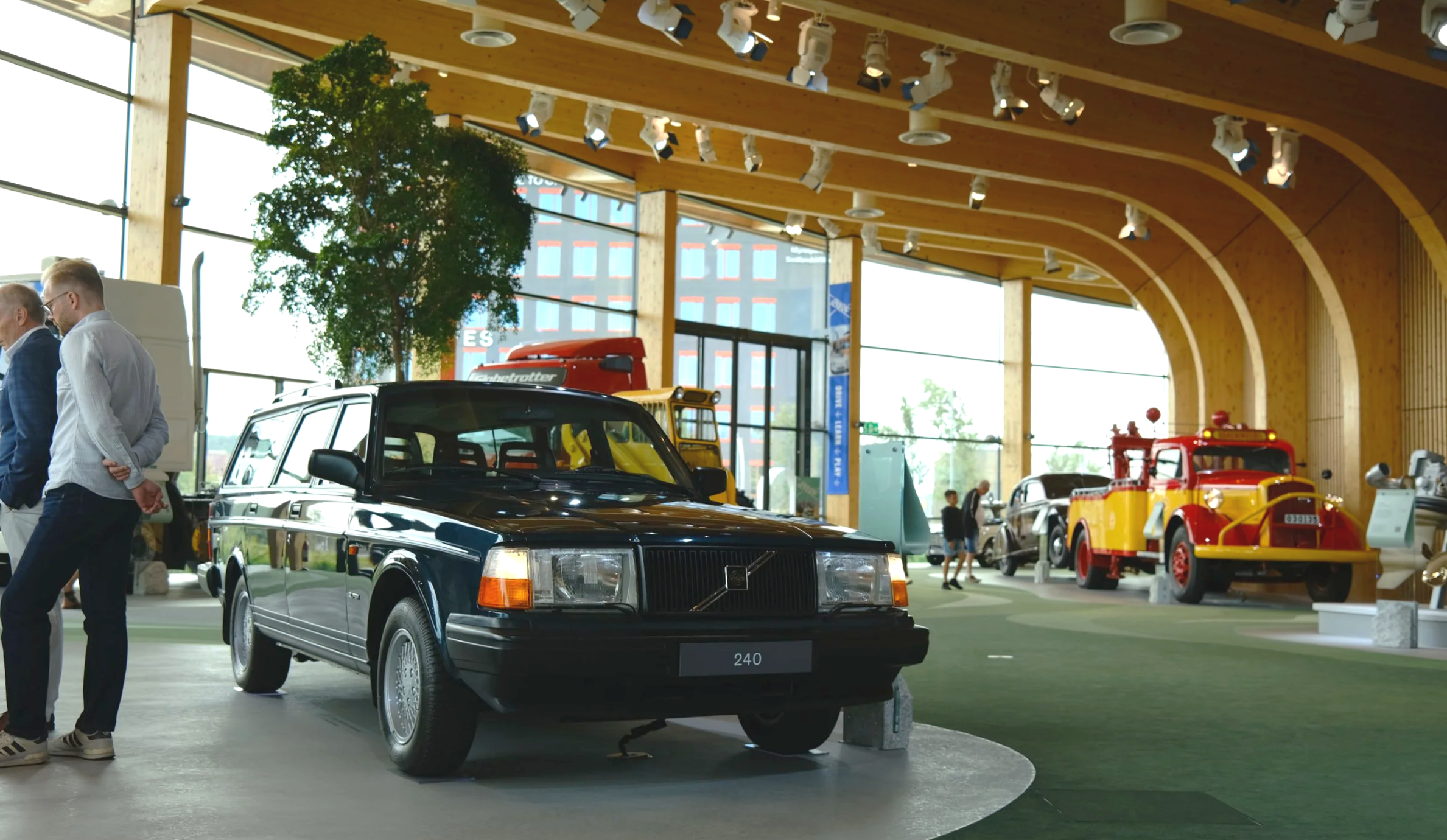
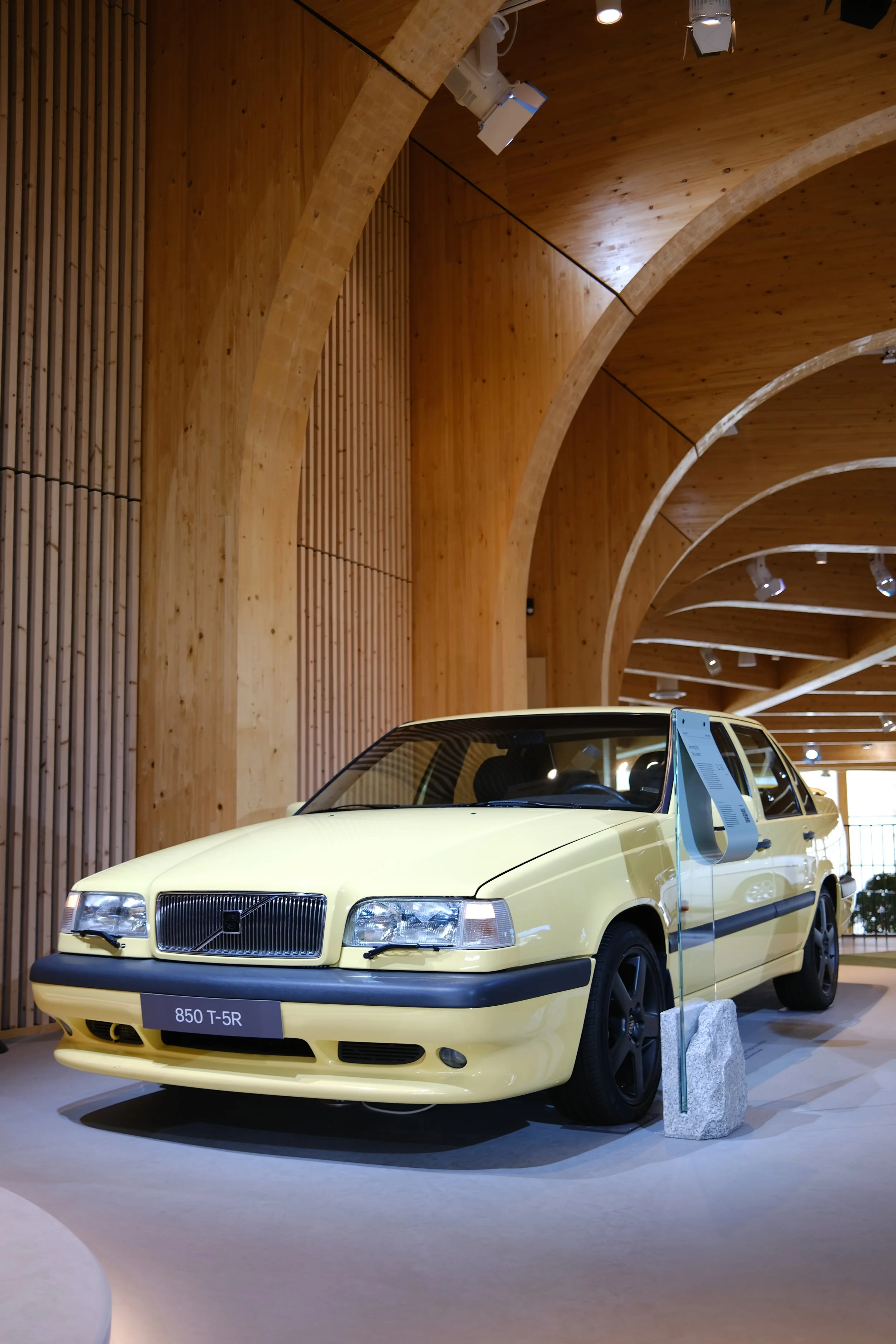
The open-plan showroom starts at the very beginning with the 1927 ÖV4, Volvo’s first production car, before winding through development vehicles, concepts, commercial trucks and some exceptionally well-preserved hero cars that most automotive obsessives will recognize. We’re talking P1800s, cream-yellow 850 T-5Rs, 245 Turbos, and plenty more. Basically, all the Volvos you’ve spent years pretending not to want.
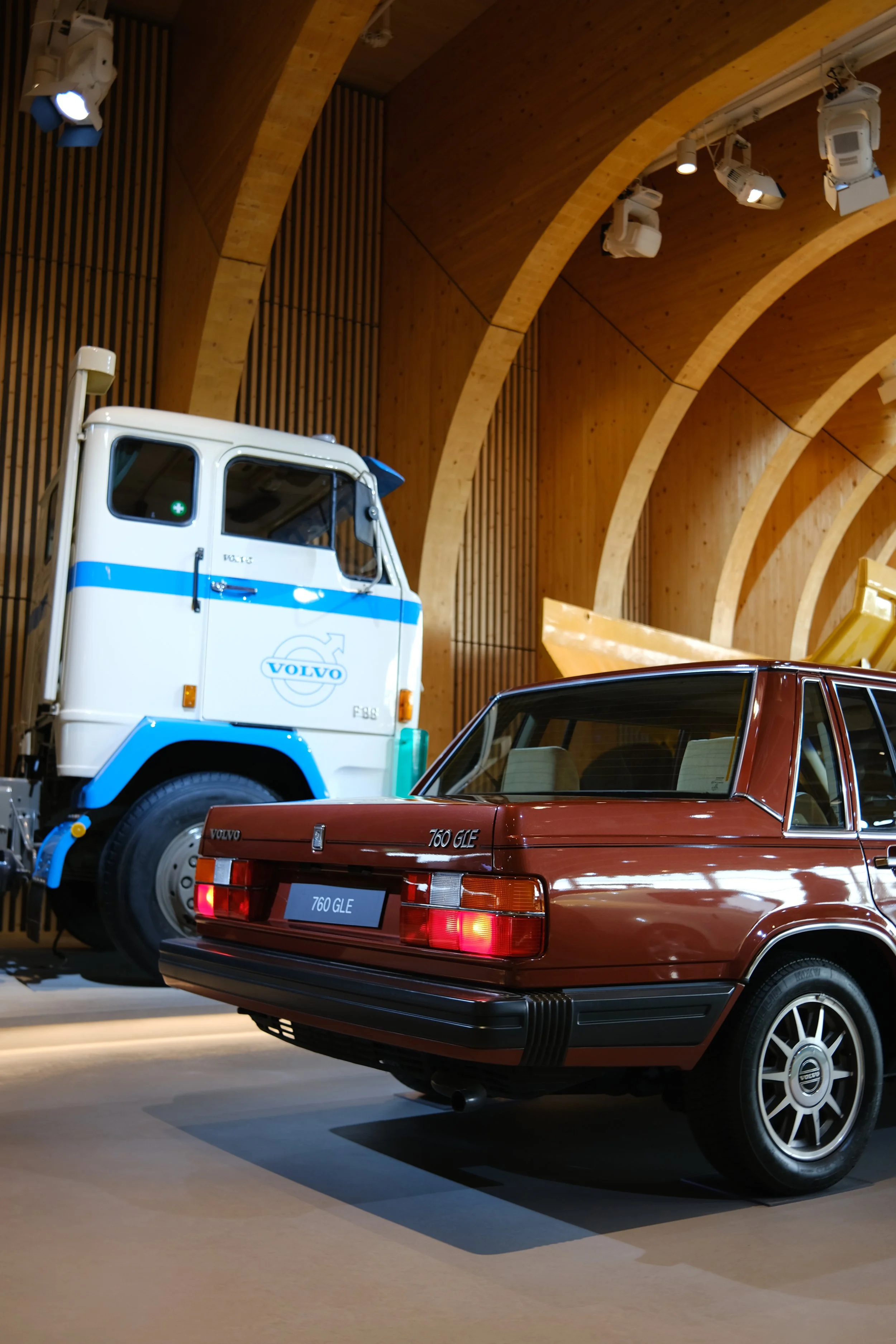
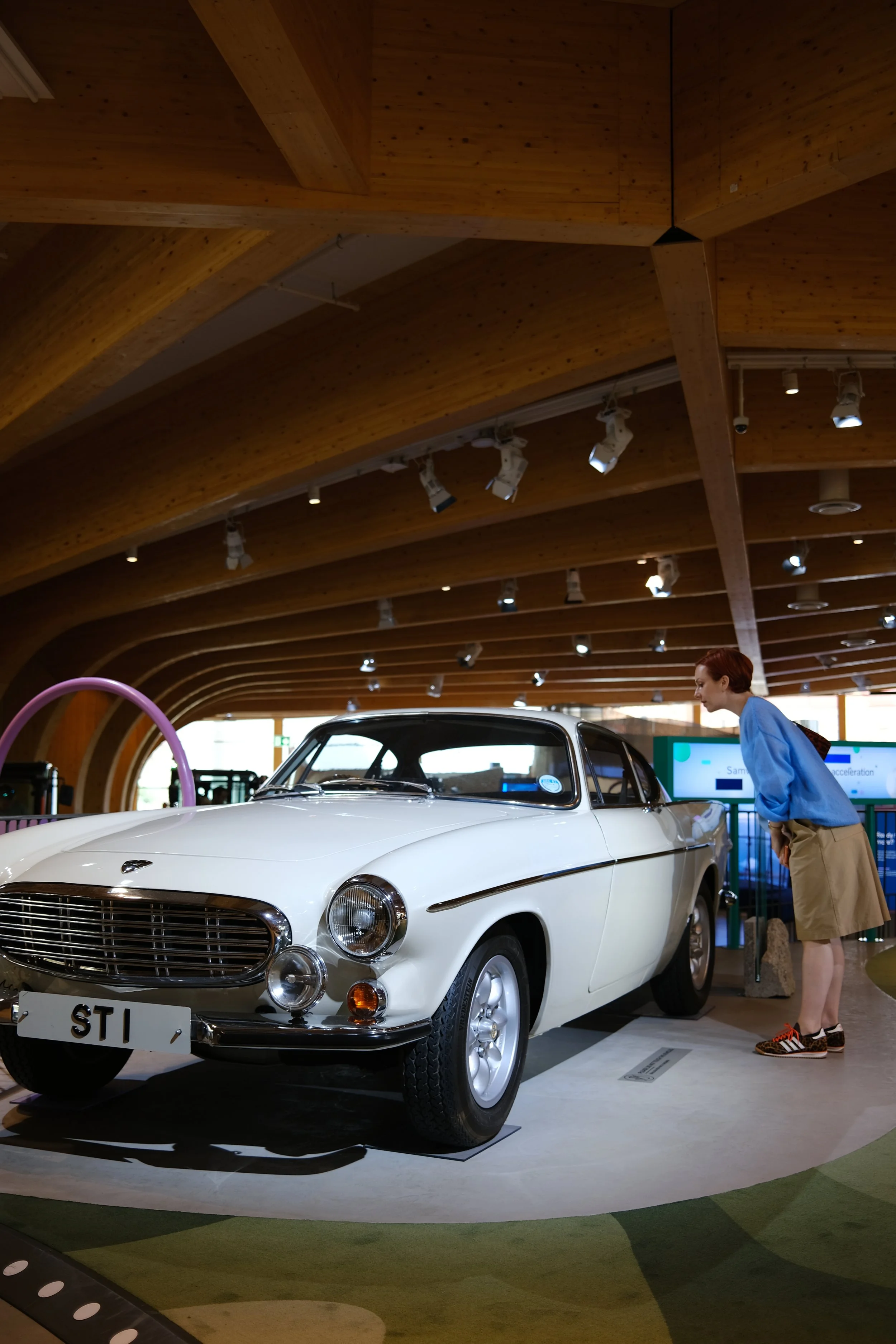
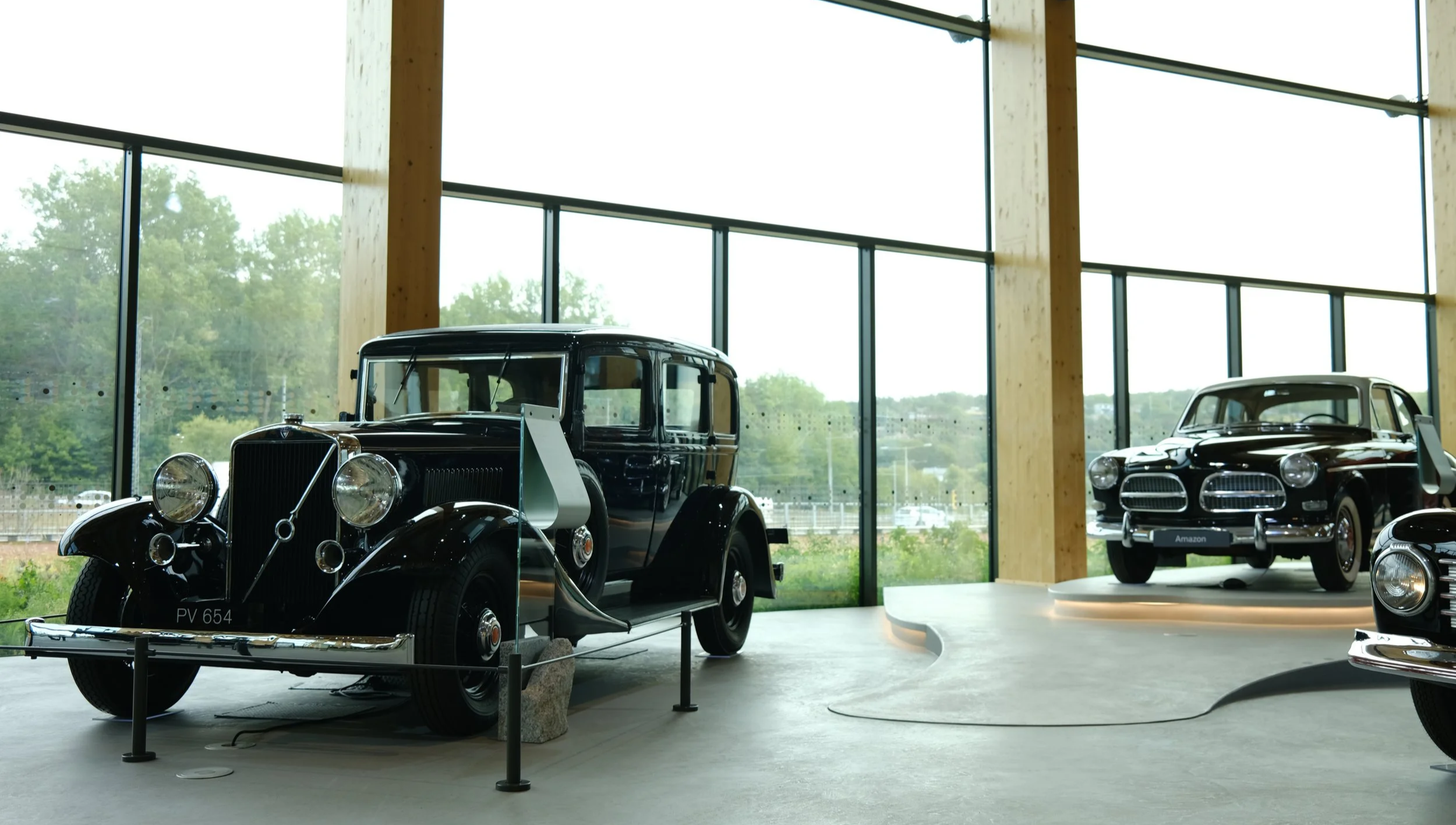
And then you reach the real shit. The racing section.
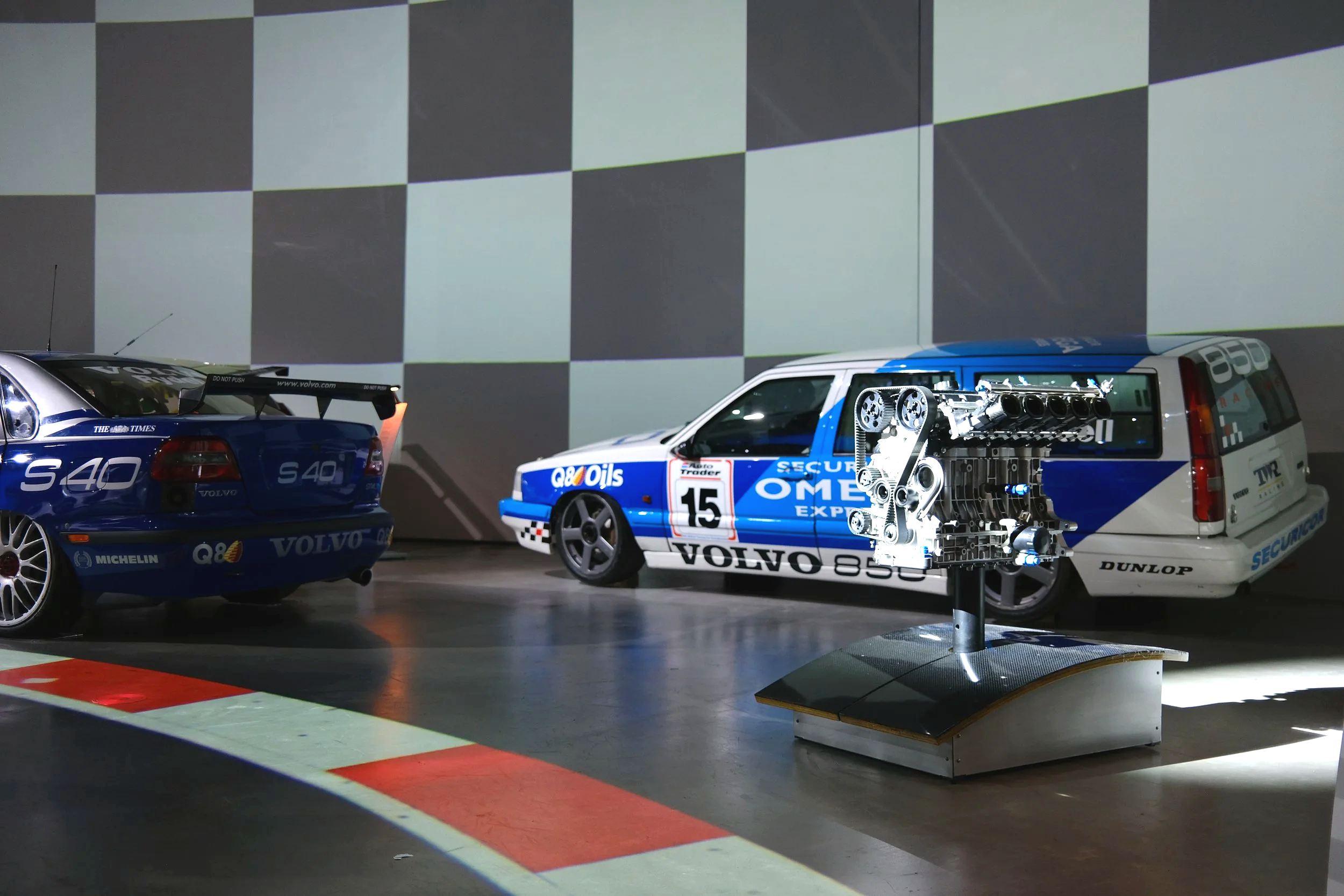
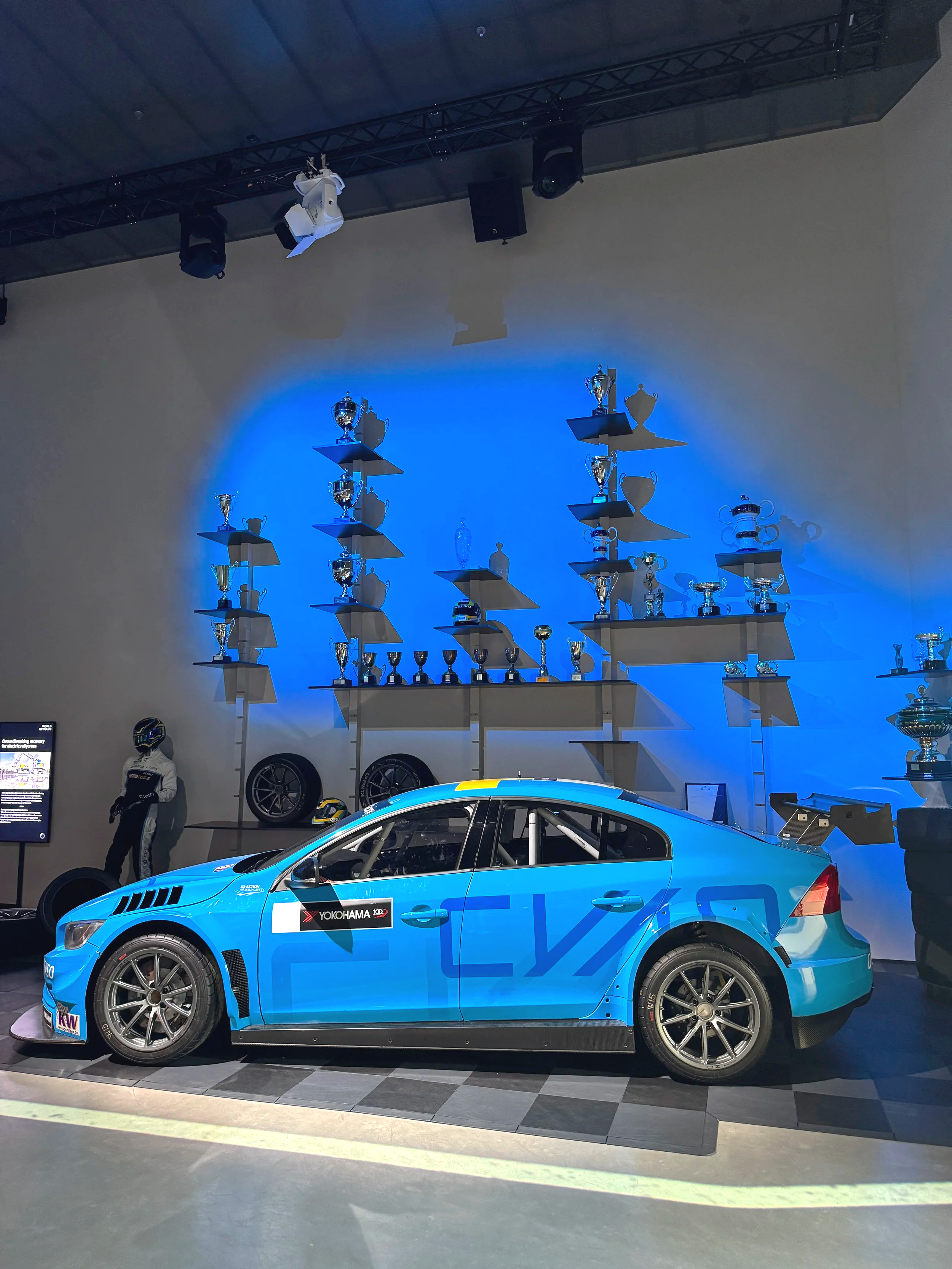
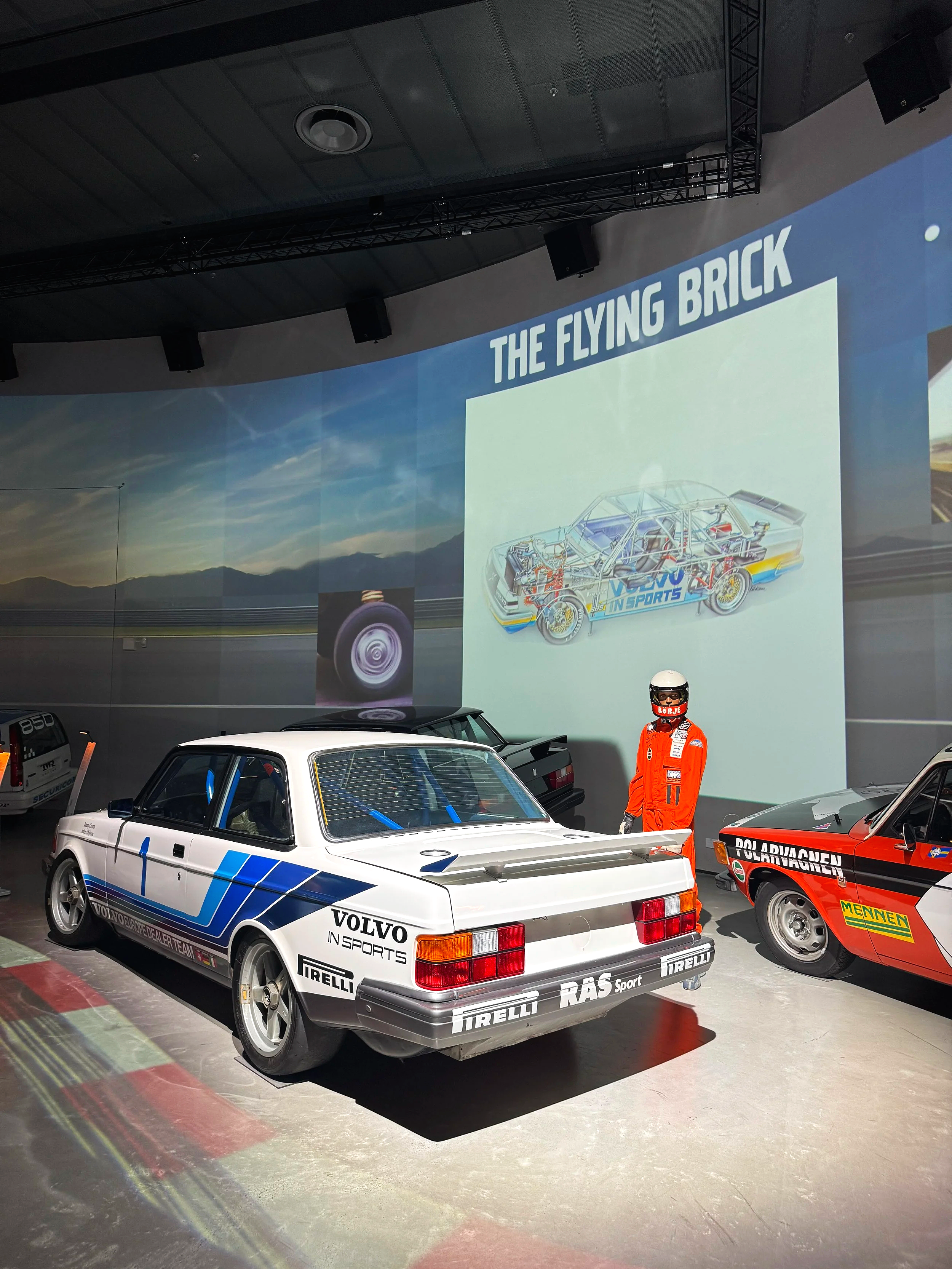
Packed into a relatively small rotunda is a wonderfully eclectic reminder that Volvo’s motorsport history is much stranger than its sensible reputation would suggest. There’s the 850 Estate that took on the British Touring Car Championship and helped cement the idea that a boxy family wagon could also be deeply cool. Then there’s the Iron Knight, a purpose-built, 2,400-horsepower truck created to break speed records because, apparently, somebody at Volvo looked at a semi and thought: faster.
There’s something here for everyone. As long as “everyone” has passing interest in the more obscure corners of the automotive world. And that’s really what World of Volvo gets right. It celebrates the achievements of a company that has spent a century shaping the automobile while somehow remaining in its own quiet corner of automotive consciousness.
Volvo may never inspire the same bedroom-wall mythology as Ferrari or Porsche. But look closely enough and its fingerprints are everywhere. In the wagons we learned to love, the safety features we barely think about, and the wonderfully strange idea that even the most practical machine can still be interesting.
Very Swedish, when you think about it.